Pipettes and Tips
Pipettes are an essential instrument in laboratories worldwide and choosing the right pipette can significantly improve the efficiency of your work. On this page you will find comprehensive guides and suggestions on how to pick the best pipette for your application, as well as a selection of deals from the most renowned brands. Enjoy browsing and don’t forget to stock up on tips.
Buying Guide
Find the perfect tip for your pipette
Our Best Selling Pipettes at the Best Prices

Product Code 15783439

Product Code 11887351

Product Code 11885762

Product Code 12346132

Product Code 15521895

Product Code 15314274

Product Code 10733193

Product Code 11897351

Product Code 10401245

Product Code 11875762

Product Code 11877351

Product Code 15531895

Product Code 12366122

Product Code 16328007
Our Best Selling Pipette Tips at the Best Prices

Product Code 11973466

Product Code 11722544

Product Code 10011902

Product Code 16422265

Product Code 12449750

Product Code 10530072

Product Code 10157291

Product Code 11957754

Product Code 16482245

Product Code 11957724

Product Code 12679591

Product Code 16400875

Product Code 10654973
Everything About Pipettes
FAQ
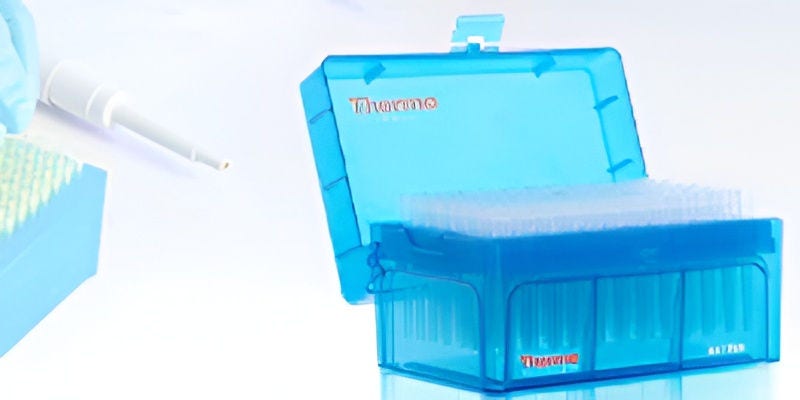
There are various types of pipette tips to meet laboratory needs:
- Regular Tips: Standard for general liquid handling.
- Filter Tips: Prevent aerosol and liquid contamination.
- Low Retention Tips: Reduce sample loss and improve accuracy.
- Extended Length Tips: Reach deep vessel bottoms without contamination.
- Gel Loading Tips: Precisely load DNA samples onto gels.
- Conductive Tips: For electrostatic-sensitive samples.
- Aerosol Barrier Tips: Prevent contamination, ideal for PCR and DNA amplification.
These tips ensure accuracy, flexibility, and contamination control, leading to reliable results and experimental success. Learn more about the types of pipette tips with our Pipette Tips Guide.
The five commonly used types of laboratory pipette are:
- Volumetric Pipettes: For precise measurement and transfer of fixed liquid volumes with a single graduation mark.
- Graduated Pipettes: With multiple graduation marks for measuring different volumes within a specific range.
- Micropipettes: Designed for handling microliter-range volumes, utilized in molecular biology, biochemistry, and clinical diagnostics.
- Pasteur Pipettes: Thin, glass-made, and with a narrow opening for transferring small volumes, such as spot tests or drops.
- Serological Pipettes: Slender shape, calibrated for different volumes, and equipped with a scale for precise measurements, commonly used in cell culture and molecular biology.
Learn more about pipette types with our Guide on Pipettes.
To clean pipettes, follow these steps:
- Disassemble: Remove disposable parts like tips and O-rings.
- Rinse: Rinse the pipette with distilled water or appropriate cleaning solution.
- Soak: Submerge in a cleaning solution for the recommended time.
- Brush: Gently scrub the pipette's exterior with a soft brush.
- Rinse Again: Thoroughly rinse with distilled water.
- Dry: Air dry or use lint-free wipes for the exterior.
- Reassemble: Put the parts back together ensuring a proper fit.
It is important to perform regular maintenance and calibration as per the manufacturer's guidelines.
Top Brands