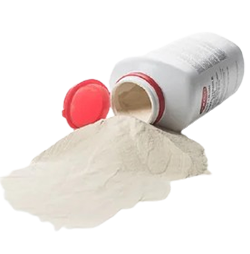
Dehydrated Microbiology Media
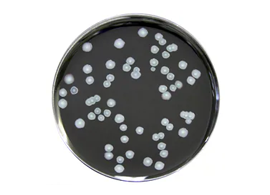
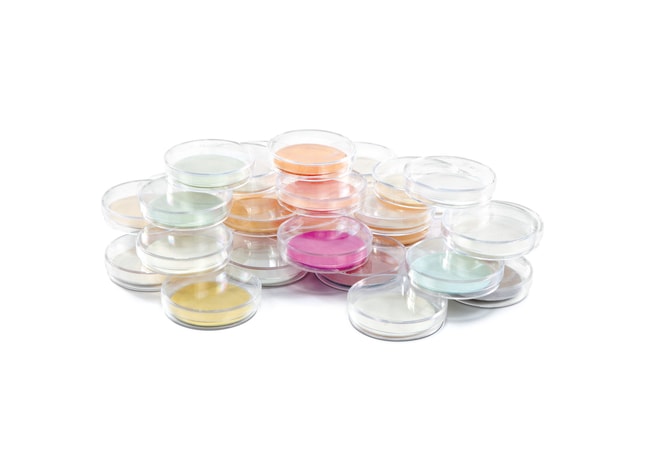
Dehydrated culture media are used for the isolation, detection, and cultivation of various microorganisms. They are available in granulated or powdered forms, and in a range of formulations and formats depending on your needs.

Useful Links
Save Now - Exclusive Deals

Product Code 10137562
Product Code 6081000

Product Code 4229122
Product Code 4524643
Product Code 10452453
Product Code 4524655

Product Code 4474907

Product Code 7076529

Product Code 4229169

Product Code 11470225

Product Code 4474931

Product Code 2885499
Must Have

Product Code 6357155

Product Code 4474894
Product Code 15982500

Product Code 4474882

Product Code 4229175
%20agar%20powder%201%20kg.jpg-650.jpg)
Product Code 11337759
Product Code 4907876
Complete Your Order - Great Deals


Product Code 8000819

Product Code 11533462
FAQ
Dehydrated media in microbiology refers to powdered forms of culture media that are used to grow microorganisms. These media are prepared by mixing the dehydrated powder with water and then sterilizing the mixture, typically by autoclaving. Dehydrated media are convenient because they are easy to store, have a long shelf life, and can be quickly prepared when needed.
Common examples of dehydrated media include nutrient agar, tryptic soy broth, and MacConkey agar.
Dehydrated nutrient agar is a powdered form of nutrient agar, a general-purpose medium used for the cultivation of a wide variety of microorganisms. It contains essential nutrients to support the growth of bacteria and fungi. The dehydrated form is convenient for storage and easy to prepare when needed.
Dehydrated nutrient agar typically includes:
- Peptone: Provides nitrogen, vitamins, and minerals
- Beef Extract: Supplies additional nutrients, including carbohydrates and salts
- Agar: A solidifying agent derived from seaweed
Dehydrated nutrient agar is versatile and widely used in microbiology laboratories for routine cultivation and maintenance of non-fastidious microorganisms.
When selecting dehydrated microbiology media, consider the following:
- Determine whether the media is intended for selective, differential, enriched, or general-purpose use. The specific requirements of the experiment will guide the choice of media.
- Ensure the media provides the necessary nutrients and growth factors required by the microorganism you intend to culture. Some bacteria may require special additives or enriched conditions.
- Choose media from reputable manufacturers that ensure consistent quality and performance. Look for media that meet relevant standards and have documented quality control processes.
- Consider the physical and chemical properties of the media, such as pH, osmolarity, and buffering capacity, to ensure they align with the experimental conditions and the specific requirements of the microorganisms being studied.
- Check the storage requirements and shelf life of the dehydrated media. Proper storage conditions (e.g., temperature, humidity) are crucial to maintain the media's effectiveness over time.
Resources and Related Information


Shop By Brand