Modifying Enzymes
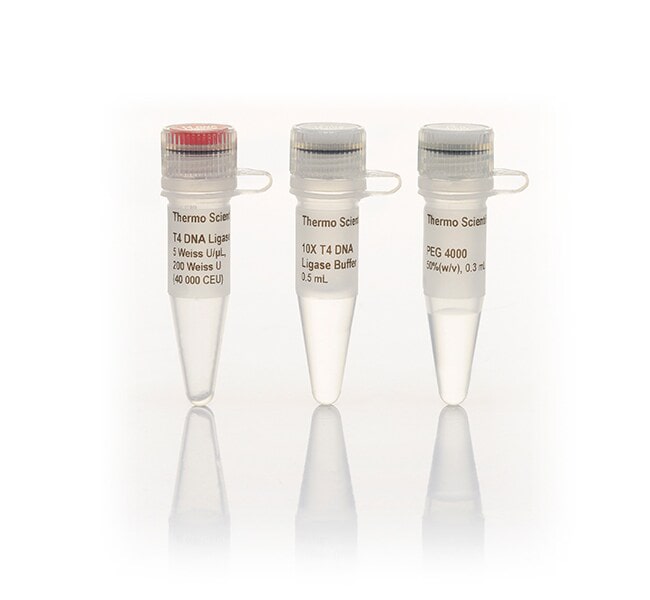
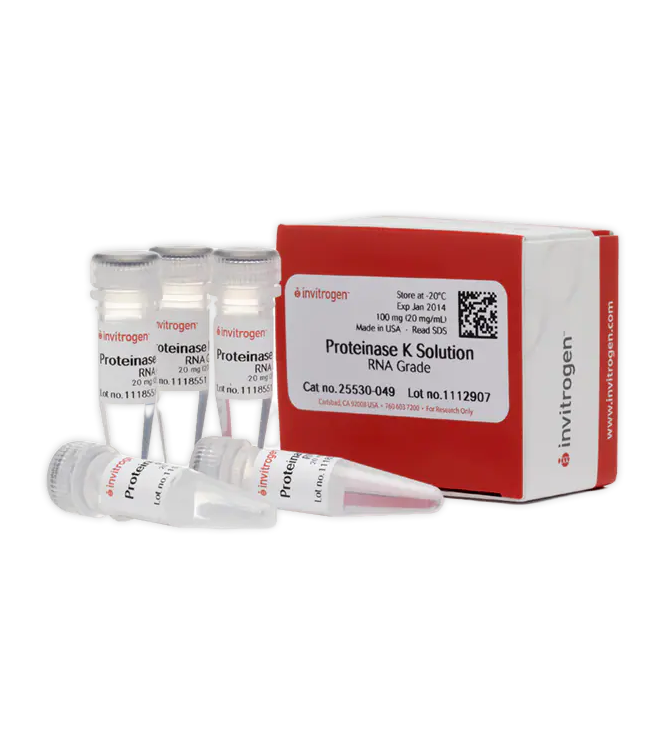
Designed for degrading, synthesizing and altering macromolecules without being altered themselves and common in molecular cloning and conventional molecular biology procedures. Choose from a range of types, DNA and RNA polymerases, phosphatases, kinases, nucleases and more depending on your need.

Useful Links
Save Now - Exclusive Deals

Product Code 4521362

Product Code 11453130

Product Code 11588916

Product Code 11473130

Product Code 3563480

Product Code 4926917

Product Code 4521359

Product Code 10272490
Complete Your Order - Great Deals

Product Code 17897694

Product Code 7180381

Product Code 11972945
Must Have

Product Code 4521364

Product Code 10729525
Product Code 11467560

Product Code 10649890

Product Code 10636153

Product Code 128252

Product Code 4521382

Product Code 4918163
FAQ
Modifying enzymes are enzymes that catalyze the addition or removal of specific chemical groups to or from biomolecules, thereby altering their structure and function. These modifications can regulate the activity, localization, stability, or interactions of the target molecules. Modifying enzymes play crucial roles in various biological processes, including gene expression, signal transduction, and metabolism.
Some common types of modifying enzymes include:
Kinases: Enzymes that add phosphate groups to proteins (phosphorylation).
Phosphatases: Enzymes that remove phosphate groups from proteins (dephosphorylation).
Methyltransferases: Enzymes that add methyl groups to DNA, proteins, or other molecules (methylation).
Demethylases: Enzymes that remove methyl groups.
DNA modifying enzymes are a group of enzymes that interact with DNA to alter its structure or sequence. These enzymes play crucial roles in various biological processes, including DNA replication, repair, recombination, and gene expression. Some common types of DNA modifying enzymes include:
Restriction Endonucleases: Cut DNA at specific sequences.
DNA Ligases: Join DNA strands together.
DNA Polymerases: Synthesize new DNA strands.
Exonucleases: Remove nucleotides from DNA ends.
Topoisomerases: Alter DNA supercoiling.
Methyltransferases: Add methyl groups to DNA, affecting gene expression.
Helicases: Unwind the DNA double helix.
When selecting modifying enzymes, consider the following five important factors:
1) Ensure the enzyme specifically targets the substrate or site of interest without affecting other molecules.
2) Evaluate the enzyme's catalytic efficiency and activity under the experimental conditions, such as temperature and pH.
3) Consider the enzyme's stability over time and under various storage and reaction conditions to ensure consistent performance.
4) Choose high-purity enzymes from reliable sources to minimize contaminants that could interfere with reactions.
5) Ensure the enzyme is compatible with other components in the system, such as buffers, cofactors, and other enzymes, to avoid unwanted interactions.
Top Brands