missing translation for 'onlineSavingsMsg'
Learn More

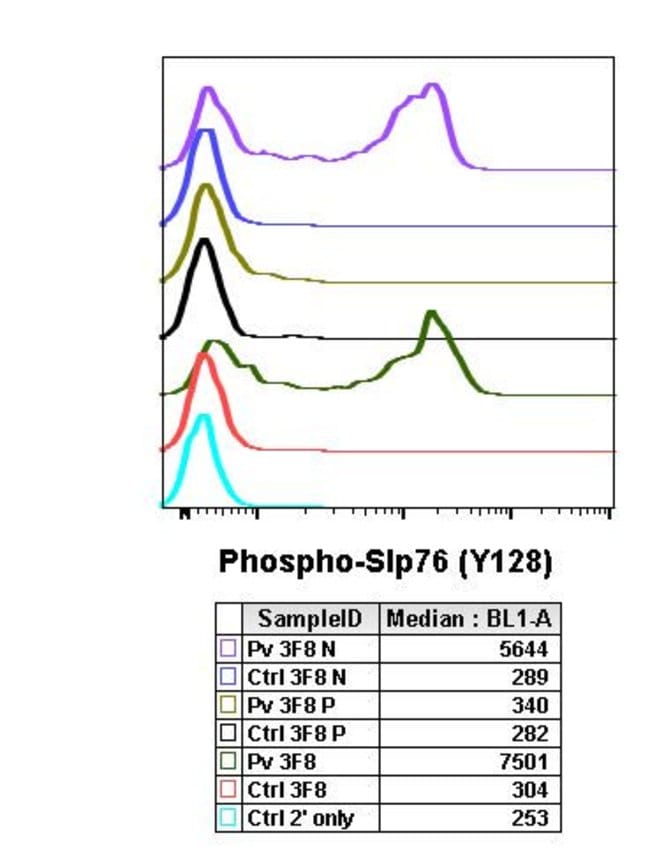
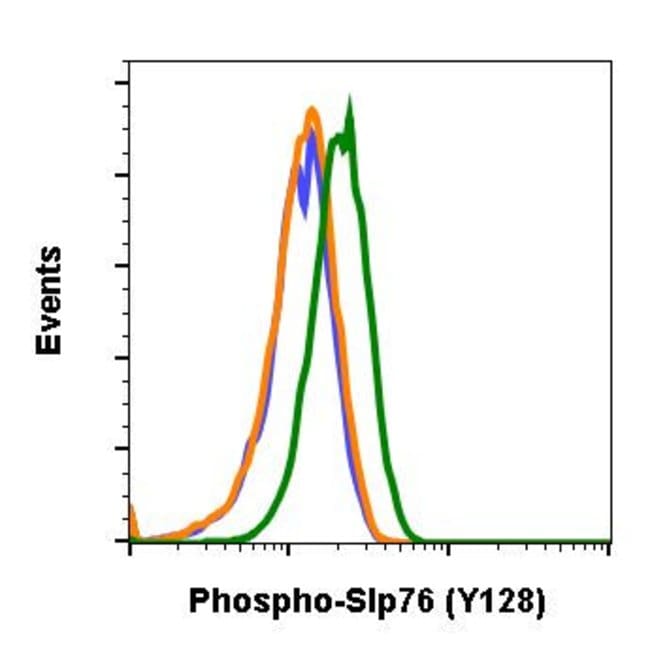
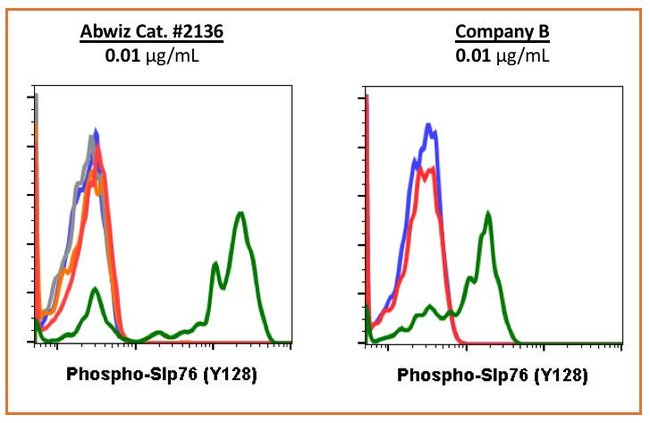
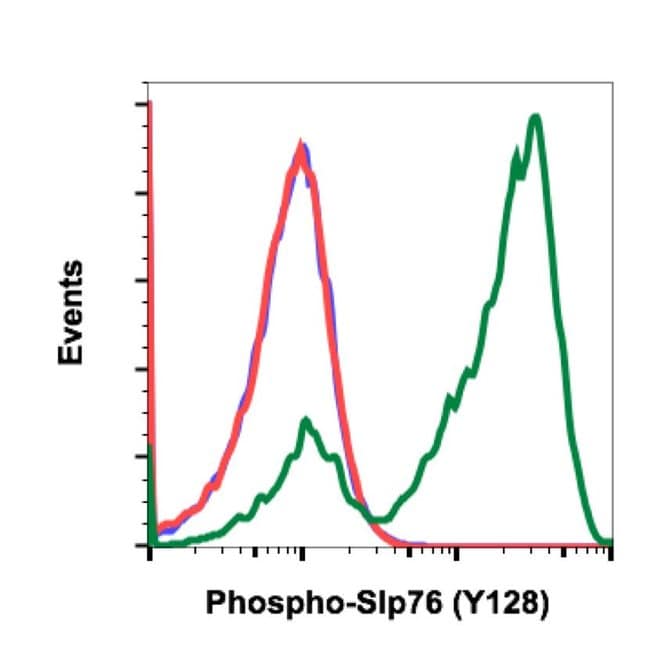
Invitrogen™ Phospho-SLP76 (Tyr128) Recombinant Rabbit Monoclonal Antibody (SLP76Y128-3F8)

Product Code. 15967214 Shop All Thermo Scientific Products
Change view
Click to view available options
Quantity:
20 μL
200 μL
Unit Size:
200µL
20µL
2 product options available for selection
Product selection table with 2 available options. Use arrow keys to navigate and Enter or Space to select.
Product Code. Quantity unitSize
15967214 200 μL 200µL
17136588 20 μL 20µL
Use arrow keys to navigate between rows. Press Enter or Space to select a product option. 2 options available.
2 options
This item is not returnable. View return policy
Product Code. 15967214 Supplier Invitrogen™ Supplier No. MA528019

Please to purchase this item. Need a web account? Register with us today!

This item is not returnable. View return policy

Rabbit Recombinant Monoclonal Antibody

Recombinant rabbit monoclonal antibodies are produced using in vitro expression systems. The expression systems are developed by cloning in the specific antibody DNA sequences from immunoreactive rabbits. Then, individual clones are screened to select the best candidates for production. The advantages of using recombinant rabbit monoclonal antibodies include: better specificity and sensitivity, lot-to-lot consistency, animal origin-free formulations, and broader immunoreactivity to diverse targets due to larger rabbit immune repertoire.

SLP-76 was originally identified as a substrate of the ZAP-70 protein tyrosine kinase following T cell receptor (TCR) ligation in the leukemic T cell line Jurkat. The SLP-76 locus has been localized to human chromosome 5q33 and the gene structure has been partially characterized in mice. The human and murine cDNAs both encode 533 amino acid proteins that are 72% identical and comprised of three modular domains. The NH2-terminus contains an acidic region that includes a PEST domain and several tyrosine residues which are phosphorylated following TCR ligation. SLP-76 also contains a central proline-rich domain and a COOH-terminal SH2 domain. A number of additional proteins have been identified that associate with SLP-76 both constitutively and inducibly following receptor ligation, supporting the notion that SLP-76 functions as an adaptor or scaffold protein. Studies using SLP-76 deficient T cell lines or mice have provided strong evidence that SLP-76 plays a positive role in promoting T cell development and activation as well as mast cell and platelet function.
TRUSTED_SUSTAINABILITY

Specifications

Antigen Phospho-SLP76 (Tyr128)
Applications Flow Cytometry
Classification Recombinant Monoclonal
Clone SLP76Y128-3F8
Concentration 0.5 mg/mL
Conjugate Unconjugated
Formulation PBS with 0.1% BSA, 50% glycerol and 0.02% sodium azide; pH 7.4
Gene LCP2
Gene Accession No. Q13094, Q60787
Gene Alias 76 kDa tyrosine phosphoprotein; AI323664; BB161688; Lcp2; Lymphocyte cytosolic protein 2; lymphocyte cytosolic protein 2 (SH2 domain containing leukocyte protein of 76kDa); lymphocyte cytosolic protein 2 (SH2 domain-containing leukocyte protein of 76kD); SH2 domain-containing leukocyte protein of 76 kDa; SH2 domain-containing leukocyte protein of 76kD; SLP76; SLP-76; SLP-76 tyrosine phosphoprotein; twm
Gene Symbols LCP2
Host Species Rabbit
Immunogen A synthetic phospho-peptide corresponding to residues surrounding Tyr128 of human phospho SLP-76.
Purification Method Protein A/G
Quantity 200 μL
Regulatory Status RUO
Primary or Secondary Primary
Gene ID (Entrez) 16822, 3937
Target Species Human, Mouse
Content And Storage -20°C
Product Type Antibody
Form Liquid
Isotype IgG κ
Show More Show Less
Product Title
Select an issue

By clicking Submit, you acknowledge that you may be contacted by Fisher Scientific in regards to the feedback you have provided in this form. We will not share your information for any other purposes. All contact information provided shall also be maintained in accordance with our Privacy Policy.