Protein Mass Spectrometry Sample Preparation
Prepare confident, publication-ready proteomics samples with curated Protein Mass Spectrometry Sample Preparation essentials. From calibration solutions and digestion standards to MS-grade proteases, peptide cleanup, and enrichment tools, this selection helps improve identification, quantitation, and run-to-run consistency. Shop trusted options from Thermo Scientific, Invitrogen, and Cytiva to support robust LC-MS workflows across discovery and targeted proteomics.
Useful Links
Save Now - Exclusive Deals

Product Code 15322627
Product Code 10615555

Product Code 15380517

Product Code 13464189

Product Code 11824141

Product Code 15360560

Product Code 13484269

Product Code 13484289

Product Code 15362647
Complete Your Order - Great Deals
Must Have

Product Code 15420434

Product Code 11834201
Product Code 15693804

Product Code 11814141

Product Code 13484309
FAQ
Protein MS sample preparation is the set of steps that converts complex protein mixtures into clean, MS-compatible peptides. Typical workflows include protein quantitation, reduction/alkylation, enzymatic digestion (e.g., trypsin or Lys-C), cleanup/desalting, and optional enrichment. Products from Thermo Scientific, Invitrogen, and Cytiva support consistent LC-MS performance.
Trypsin is a standard protease for broad peptide coverage and predictable cleavage, while Lys-C is often used to improve digestion robustness, especially under denaturing conditions. Many labs use Lys-C first, followed by trypsin, to increase completeness and reproducibility. Thermo Scientific offers MS-grade options commonly used in LC-MS workflows.
The biggest gains typically come from removing salts, detergents, and other ion-suppressing contaminants, plus controlling digestion and calibration. Peptide cleanup (C18 tips/spin columns), consistent standards, and reliable quantitation help stabilize run-to-run results. Thermo Scientific and Invitrogen solutions support tuning and QC; Cytiva tools can support enrichment and cleanup needs.
Missed cleavages often drop when you optimize denaturation, maintain correct enzyme-to-protein ratios, control incubation time/temperature, and remove inhibitors (e.g., detergents). Using MS-grade proteases and compatible surfactants can improve digestion efficiency. Pairing careful quantitation with consistent Thermo Scientific digestion reagents helps standardize outcomes across experiments.
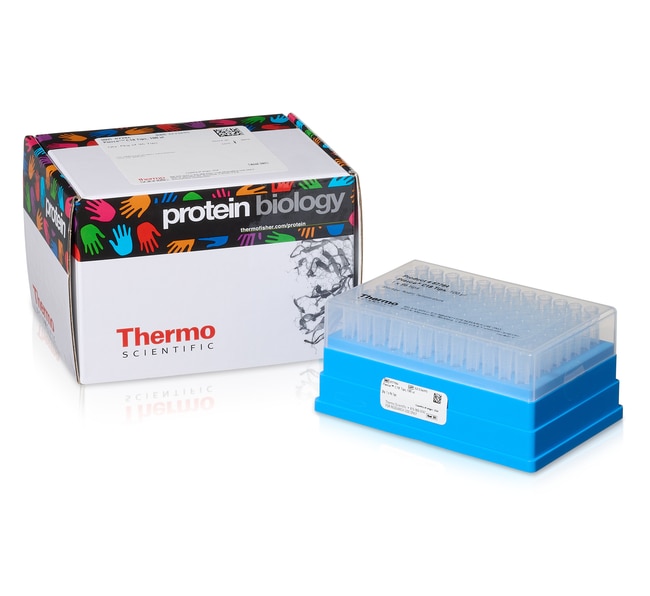
Peptide cleanup (often C18-based) removes salts, buffers, and small molecules that suppress ionization and contaminate LC-MS systems. Clean peptides typically yield better sensitivity, fewer background ions, and more stable chromatography. Thermo Scientific cleanup consumables are widely used for desalting and concentration steps before analysis.
Calibration solutions help verify and adjust instrument mass accuracy, while standards and digests provide routine checks on sensitivity, chromatography, and identification performance. Together, they enable trend monitoring across sequences and instruments. Invitrogen and Thermo Scientific calibration solutions, along with reference digests, support comparability and confident troubleshooting.
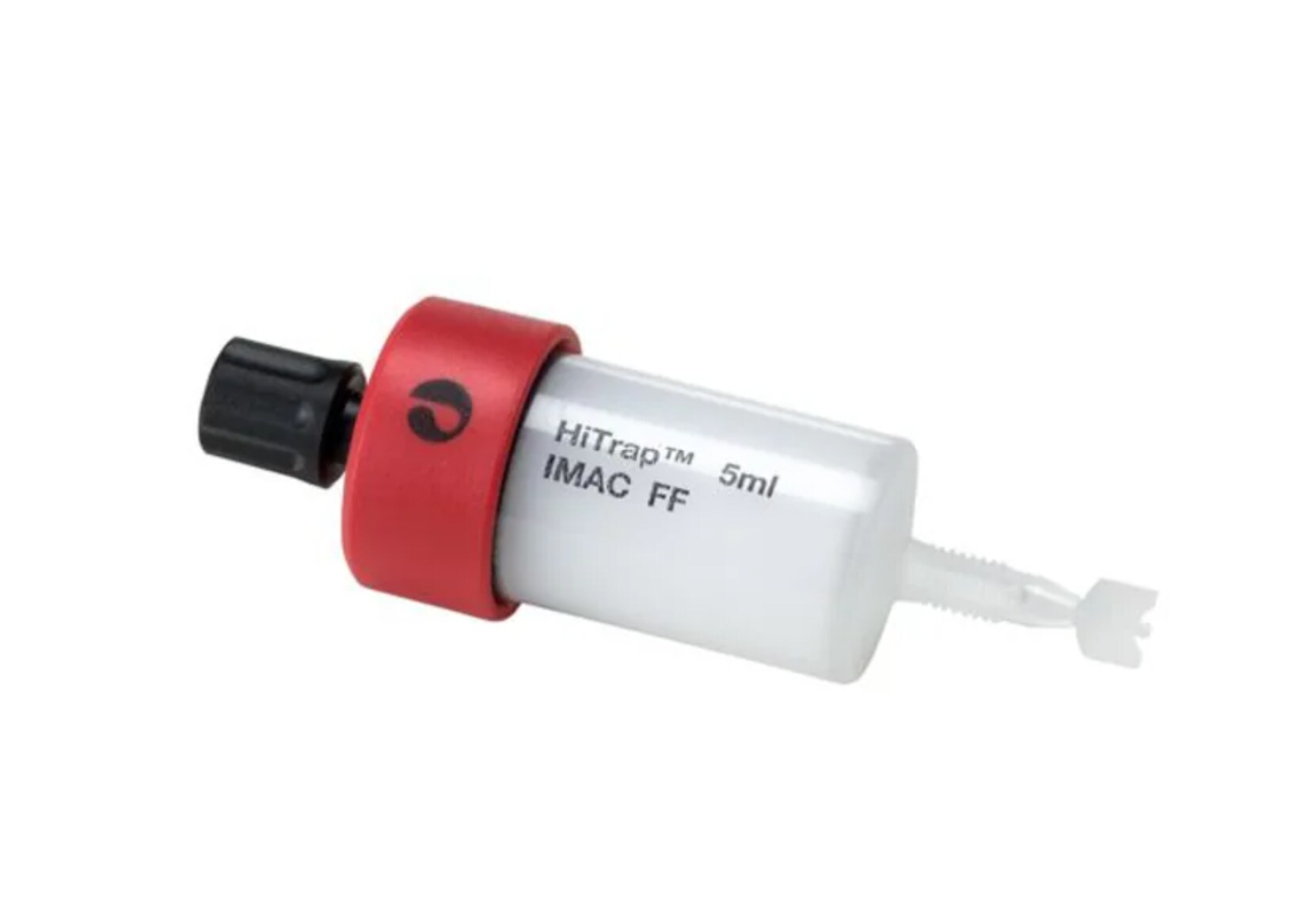
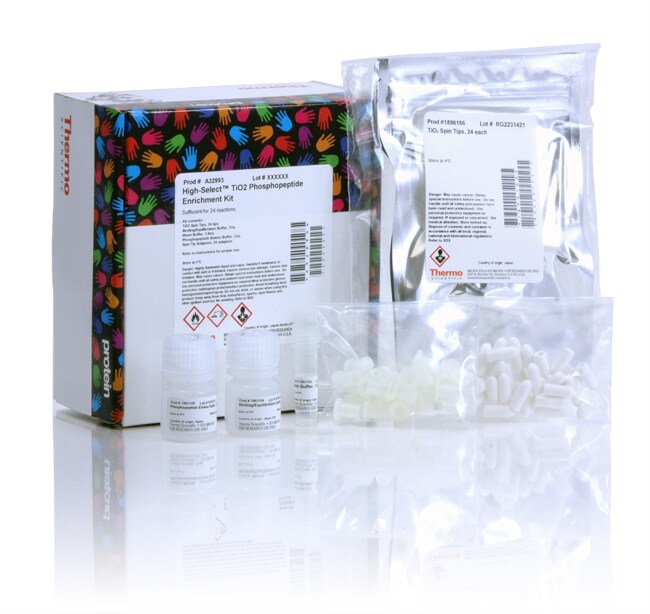
Phosphopeptide enrichment concentrates modified peptides to improve detection and site localization. Common approaches include TiO2-based enrichment and IMAC workflows, followed by careful cleanup to reduce nonspecific binding. Thermo Scientific enrichment kits and Cytiva chromatography options can support targeted enrichment strategies, especially when combined with optimized buffers and loading conditions.
Top Brands