General Purpose Benchtop Centrifuges
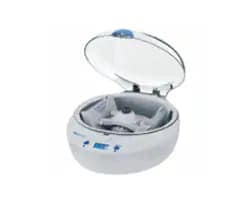
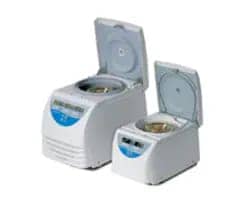
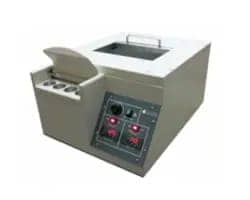
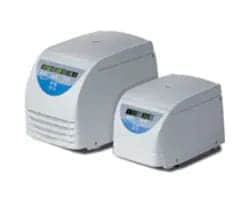
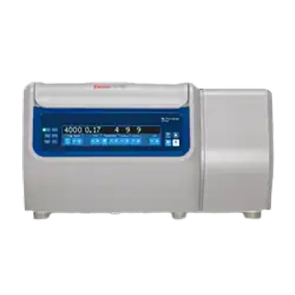
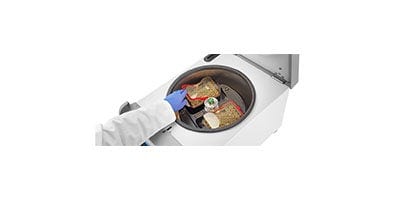
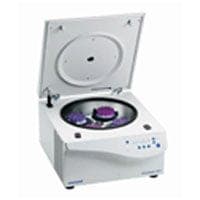
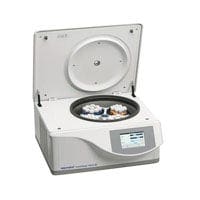
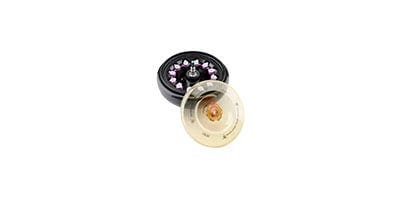
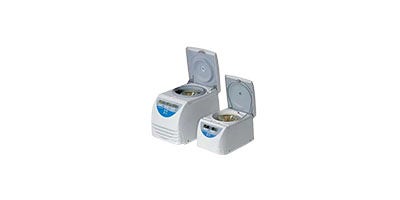
Centrifuges that can be easily placed on lab benchtops, suitable for many routine applications such as sample separation and filtration. They come with a variety of complementary rotors and accessories that can be included or bought separately.
Useful Links
Save Now - Exclusive Deals

Product Code 7159710

Product Code 11461048

Product Code 10392066

Product Code 9684000

Product Code 7214198

Product Code 7159237

Product Code 7221187

Product Code 7144617
Complete Your Order - Great Deals

Must Have
Product Code 7221186

Product Code 7159713

Product Code 7214200

Product Code 7139310

Product Code 7159709

Product Code 7159712

Product Code 7214196
FAQ
Choosing the right centrifuge depends on your needs. Consider what samples you'll be spinning (blood, cells, chemicals), how fast you need it to spin (RPM), how much space you have, and what size tubes or containers you use. If you're unsure, our experts can help recommend a model that fits your workflow.
The main difference is size and capacity. Benchtop centrifuges are smaller and sit on a workbench, ideal for routine lab tasks or limited spaces. Floor centrifuges are larger, more powerful, and handle higher sample volumes, often used for more demanding research or industrial applications.
RPM (Revolutions Per Minute) indicates how fast the centrifuge spins, while RCF (Relative Centrifugal Force) measures the actual force applied to the samples, expressed in "g". RCF is the more critical factor because it directly affects separation efficiency. Two centrifuges with the same RPM can produce different RCF values depending on the rotor size. That’s why it’s important to compare RCF when evaluating performance, especially for sensitive protocols.
Regular maintenance extends the lifespan and ensures reliable results. Key tasks include cleaning the rotor and chamber after use to prevent corrosion or contamination, inspecting for cracks or wear, checking the lid seal, and scheduling professional calibration or servicing as recommended by the manufacturer. Neglecting maintenance can compromise safety and the accuracy of your separations.
Top Brands