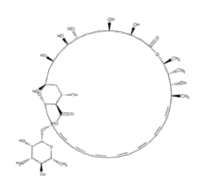
Antibiotics
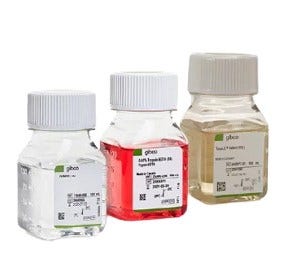
Antibiotics are compounds and substances that kill or inhibit the growth of bacteria and are commonly used to prevent bacterial contamination in cell cultures. Our extensive range of antibiotics is available in various quantities, molecular weights, and concentrations to suit your specific requirements.


Useful Links
Save Now - Exclusive Deals

Product Code 11526481

Product Code 10396833

Product Code 17660917

Product Code 10460264

Product Code 15595986

Product Code 10224873

Product Code 15495299

Product Code 10255203
Product Code 10346503

Product Code 11471431

Product Code 11450435

Product Code 15405739
Must Have

Product Code 10034587

Product Code 25647

Product Code 15495139

Product Code 10319633

Product Code 2625065

Product Code 10031553

Product Code 11416981
Product Code 11415691
Complete Your Order - Great Deals



FAQ
Antibiotics can be classified into several types based on their chemical structure and mechanism of action. Here are seven major types:
- Penicillins: These antibiotics, such as amoxicillin and penicillin, work by interfering with the synthesis of bacterial cell walls
- Cephalosporins: Similar to penicillins, cephalosporins (e.g., cephalexin, ceftriaxone) also disrupt bacterial cell wall synthesis but have a broader spectrum of activity
- Macrolides: This class, including azithromycin and erythromycin, inhibits bacterial protein synthesis by binding to the 50S ribosomal subunit
- Fluoroquinolones: Antibiotics like ciprofloxacin and levofloxacin act by inhibiting bacterial DNA gyrase and topoisomerase IV, enzymes critical for DNA replication
- Tetracyclines: Tetracycline and doxycycline inhibit protein synthesis by binding to the 30S ribosomal subunit, preventing the addition of amino acids to the growing peptide chain
- Aminoglycosides: These antibiotics, such as gentamicin and amikacin, also inhibit protein synthesis by binding to the 30S ribosomal subunit but often require oxygen-dependent transport into the bacterial cell
- Sulfonamides: Sulfamethoxazole, often combined with trimethoprim (as in co-trimoxazole), inhibits folic acid synthesis, which is necessary for bacterial DNA and RNA synthesis
These categories encompass a wide range of antibiotics used to treat various bacterial infections.
Some common antibiotics for gram-positive and gram-negative bacteria are:
Gram-Positive Bacteria
- Penicillins: Penicillin G, Amoxicillin
- Cephalosporins: Cephalexin
- Macrolides: Erythromycin, Azithromycin
- Glycopeptides: Vancomycin
- Lincosamides: Clindamycin
Gram-Negative Bacteria
- Aminoglycosides: Gentamicin, Amikacin
- Fluoroquinolones: Ciprofloxacin, Levofloxacin
- Cephalosporins: Ceftriaxone, Ceftazidime
- Carbapenems: Imipenem, Meropenem
- Monobactams: Aztreonam
Broad-Spectrum Antibiotics
- Tetracyclines: Doxycycline
- Sulfonamides: Trimethoprim-sulfamethoxazole
- Extended-Spectrum Penicillins: Piperacillin
These antibiotics are chosen based on the type of bacteria, infection site, and resistance patterns.
Antibiotics can be classified into several types based on their chemical structure and mechanism of action. Here are seven major types:
- Penicillins: These antibiotics, such as amoxicillin and penicillin, work by interfering with the synthesis of bacterial cell walls
- Cephalosporins: Similar to penicillins, cephalosporins (e.g., cephalexin, ceftriaxone) also disrupt bacterial cell wall synthesis but have a broader spectrum of activity
- Macrolides: This class, including azithromycin and erythromycin, inhibits bacterial protein synthesis by binding to the 50S ribosomal subunit
- Fluoroquinolones: Antibiotics like ciprofloxacin and levofloxacin act by inhibiting bacterial DNA gyrase and topoisomerase IV, enzymes critical for DNA replication
- Tetracyclines: Tetracycline and doxycycline inhibit protein synthesis by binding to the 30S ribosomal subunit, preventing the addition of amino acids to the growing peptide chain
- Aminoglycosides: These antibiotics, such as gentamicin and amikacin, also inhibit protein synthesis by binding to the 30S ribosomal subunit but often require oxygen-dependent transport into the bacterial cell
- Sulfonamides: Sulfamethoxazole, often combined with trimethoprim (as in co-trimoxazole), inhibits folic acid synthesis, which is necessary for bacterial DNA and RNA synthesis
These categories encompass a wide range of antibiotics used to treat various bacterial infections.
Resources and Related Information


Shop By Brand